Being the lazy person that I am, I haven't yet put up the last pictures from Ireland. In the last part of the trip we visited pretty much the south east part of the island. The last time we were in Ireland we had passed through Waterford but never really stopped, but this time Mrs. BB wanted to visit the famous Waterford Crystal works. What they can do with glass is unbelievable but also very expensive. The price is a reflection of the workmanship that goes into each piece. As an example, we wanted to bring back four wine glasses, one for each of the children and a pair for Mrs. BB and I. When we saw that each was worth minimum 55 euros (80$ US) we kind of decided that something smaller would be nice. The craftsmanship is worth the price but in this case it was outside the budget.
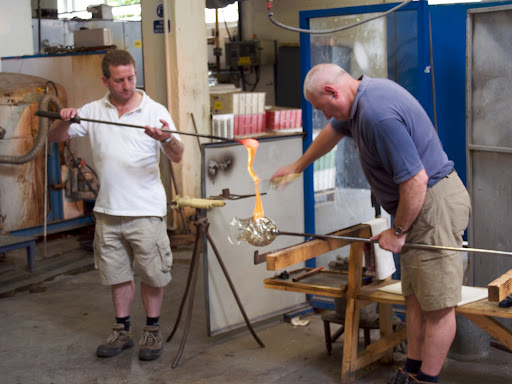
Here the craftsmen are putting a handle on a jug. The glass has already been cut so they wouldn't want to ruin it.
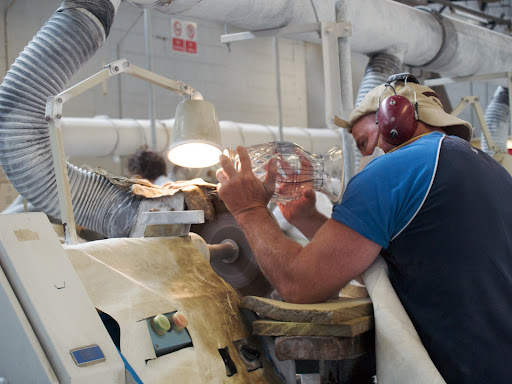
This is a master cutter cutting a pattern into the crystal vase. Each piece is molded by hand and cut by hand. To become a cutter the person is apprenticed for 10 years and to become a master cutter the person must have a university degree in Fine Arts. There are over one hundred and ten different patterns and the cutter must memorize each one.
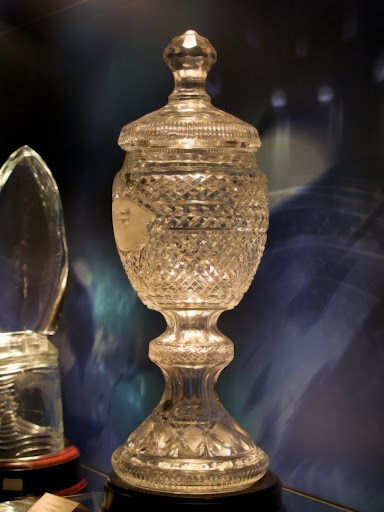
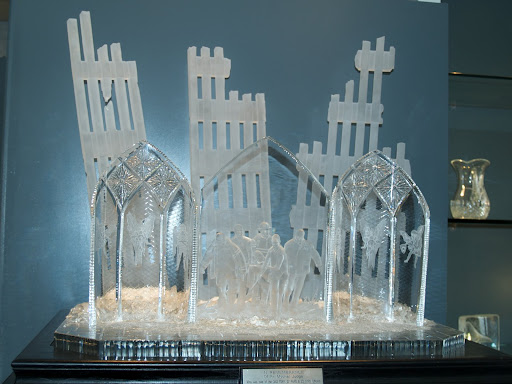
These are examples of the designs made by the master craftsmen. These are the artists that design the special commisions such as the trophy above. When they are not working on a commision they are allowed to work on personal projects of their own. This is a project inspired by 9/11 and the heroes that risked their lives to save the survivors.
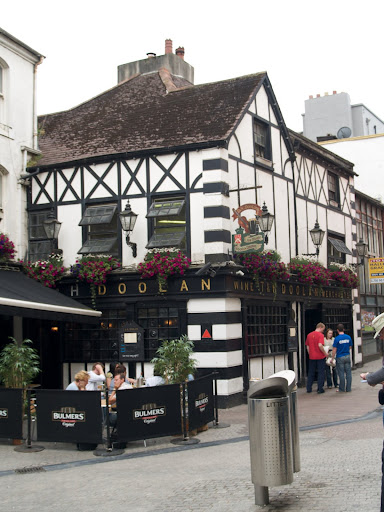
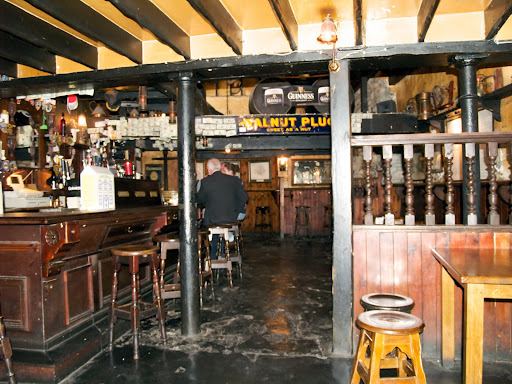
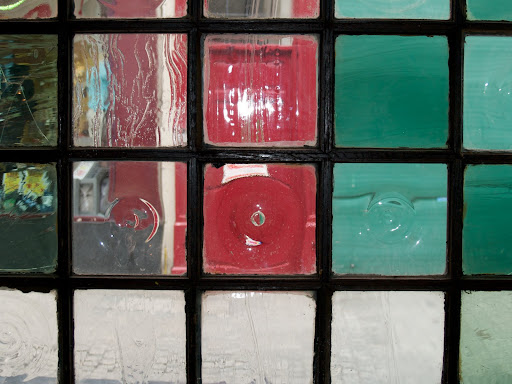
Of course we had to have a Guinness and supper at the pub. This one of the oldest in Waterford as you can see by the front window.
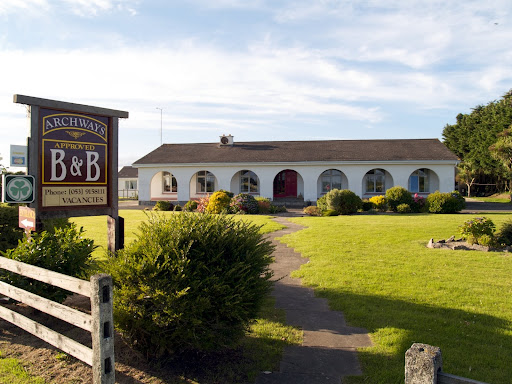
Our B&B at Rosslare a the south east tip of Ireland
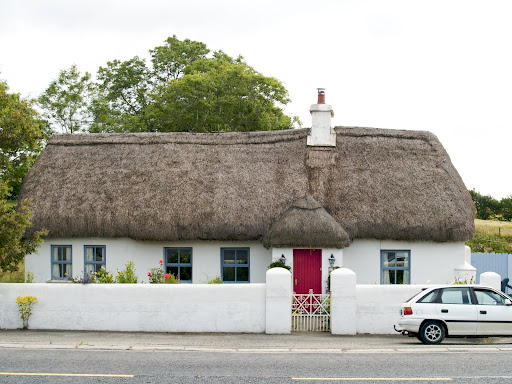
An Irish cottage not far from the B&B

Jerpoint Abbey contains among the best preserved medieval sculptures in Ireland.
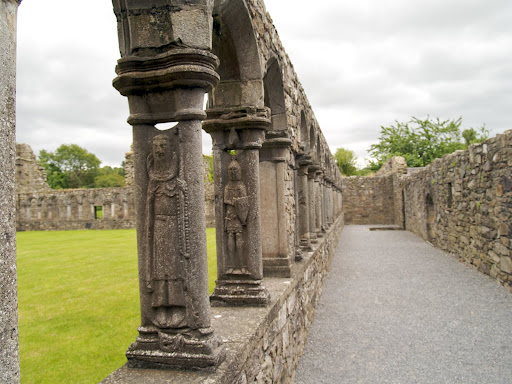
The cloisters. Each of the columns has a figure carved into it. The first one was the first abbot and the second one was a knight that was the benefactor of the abbey. He is in full chain mail and his crest is still visible on his shield. His wife is on the obverse of the column.
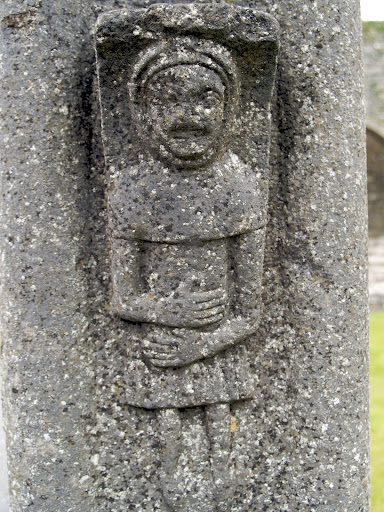
The sculptures also gave lessons to the monks as they strolled around the cloister, this is one giving the dangers of gluttony. A Pepto-Bismol moment?
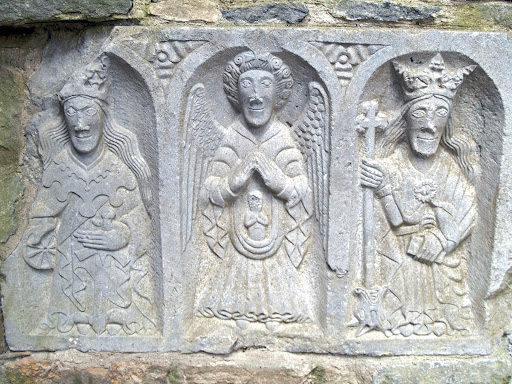
An example of the sculptures on one of the tombs. Dates from the medieval period. The on in the centre is the Archangel Michel, the one on the left is Ste- Catherine and her wheel and the other I'm not sure about.
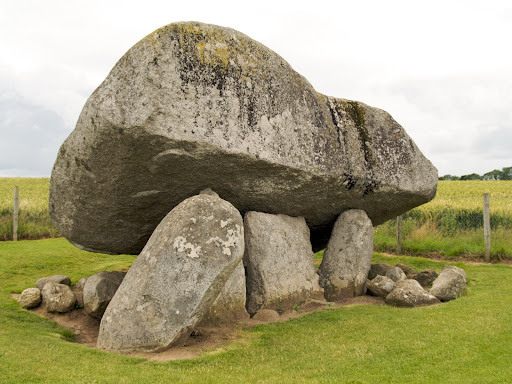
The Browns Hill Dolmen. The cap stone weighs over 100 tons. It is in the middle of a farmer's wheat field. On the main road nearby are a whole bunch of car dealers. I can just see one of them buying the land and having the dolmen in the middle of his car lot. Good thing that it is protected by the Irish Government.
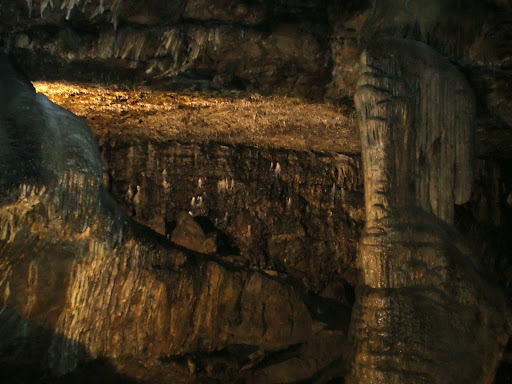
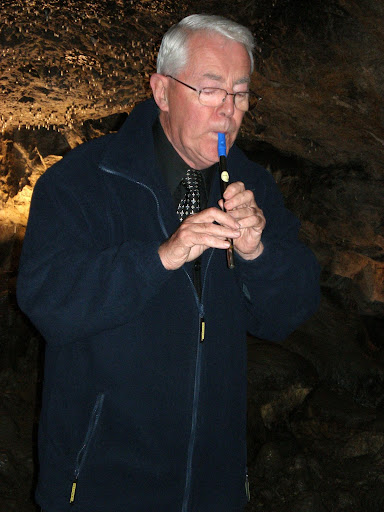
Dunmore Cave is one of the largest caves in Ireland. Legend has it that the Vikings massacred 1000 people in the cave. Although this seems implausible, when the cave was finally explored by archaeologists, human remains were found in the great chamber and later on a Viking treasure was found by a guide as he was checking the cave before closing for the night. The second picture is of our guide playing an Irish lament on a penny whistle in the darkness of the Great Chamber, the echoing sound was eerie.
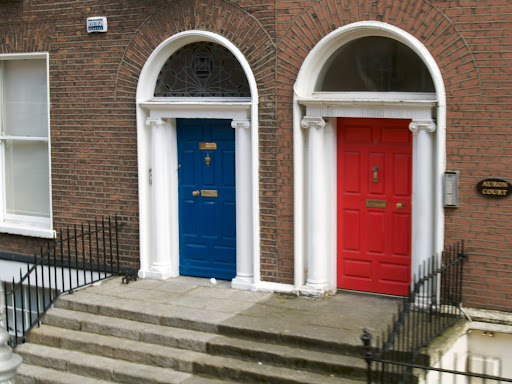
We finally finished up our trip in Dublin. Dublin is a beautiful city that is known for its Georgian doors. These doors all follow the same design as you can see by the picture.
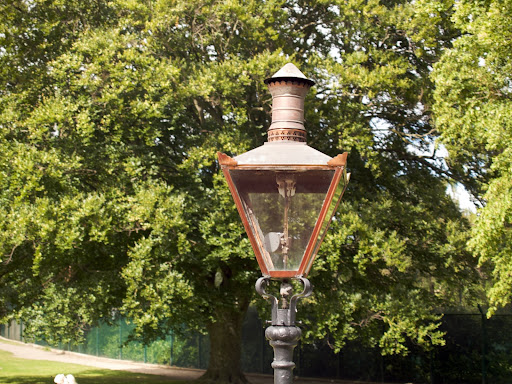
Phoenix Park is the Europe's largest city park. It is 2.5 times larger than New York's Central Park. One thing that I found fascinating is that the lights are all gas lights like they had in the 19th century. I have read that the original street gas lamps were used until the 60's and 70's, then they put in electricity. They have since gone back to the original gas light except today they are automatic and don't need a lamplighter.
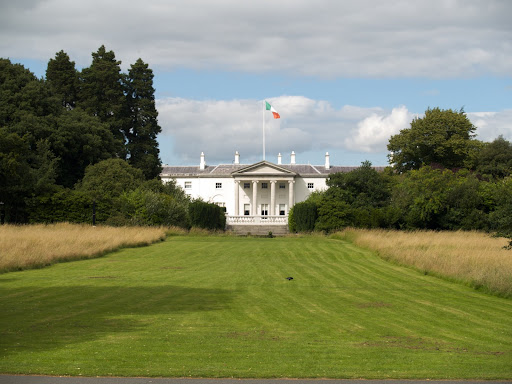
The park is also the home of Ireland's president. The house is known as Áras an Uachtaráin. Kind of looks like the White House doesn't it?
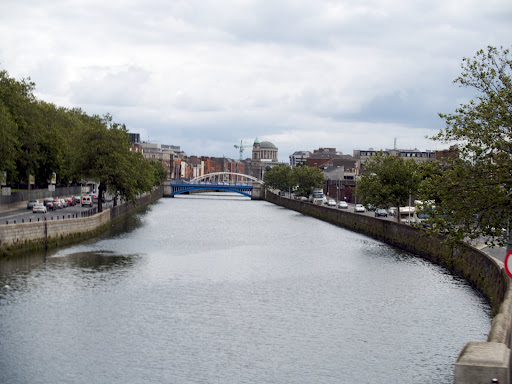
The river Liffey
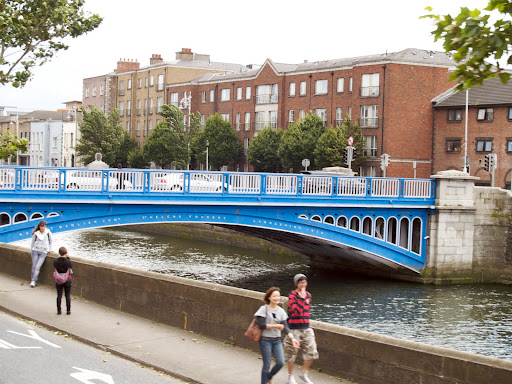
One of the numerous bridges.
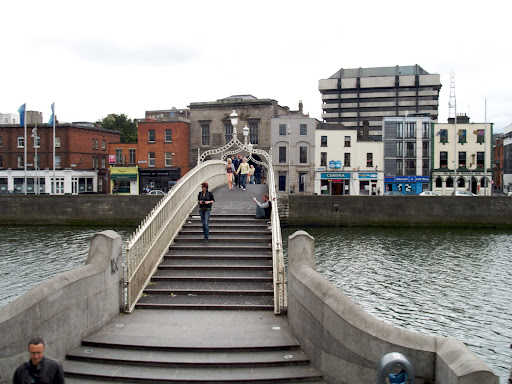
The Ha'penny bridge, so called because it cost half a penny to cross.
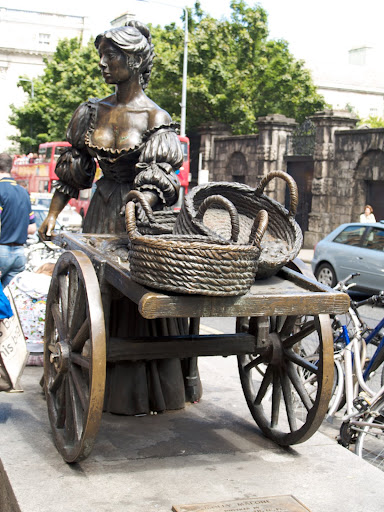
A statue of Molly Malone, about whom a famous song is sung.
In Dublin's fair city,
where the girls are so pretty,
I first set my eyes on sweet Molly Malone,
As she wheeled her wheel-barrow,
Through streets broad and narrow,
Crying, "Cockles and mussels, alive, alive, oh!"
Since legend has it that she was also a prostitute by night and the statue's assets are there for all to see, the Dubliners have dubbed the statue "The tart with the cart" ;o)
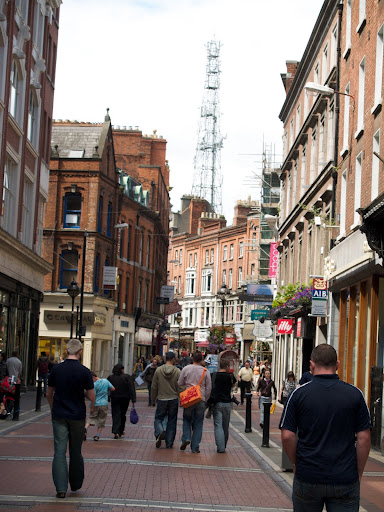
Grafton Street, the main shopping street of Dublin
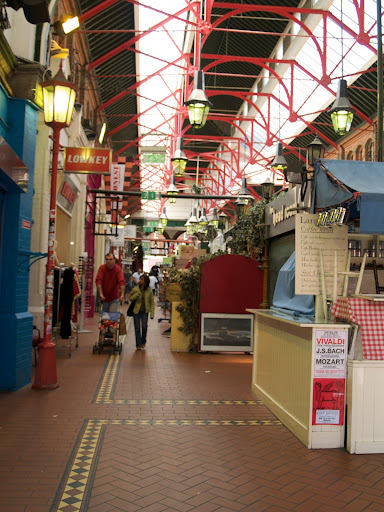
Indoor market near the Temple Bar.
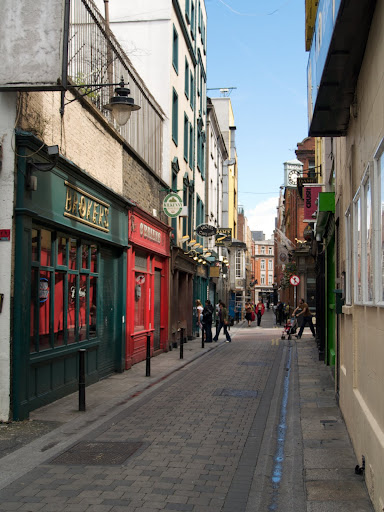
A street of the Temple Bar. This section of the city has kept its medieval street layout and is the bohemian heart of Dublin. Fishamble Street in Temple Bar was the location of the first performance of Handel's Messiah in 1742
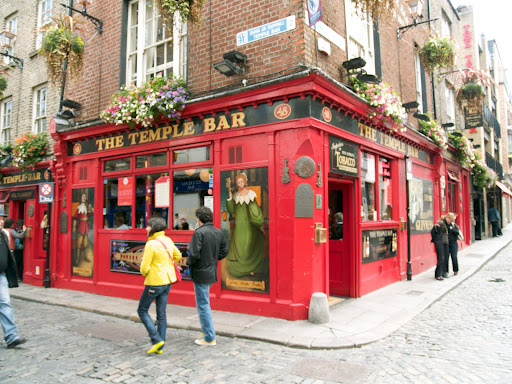
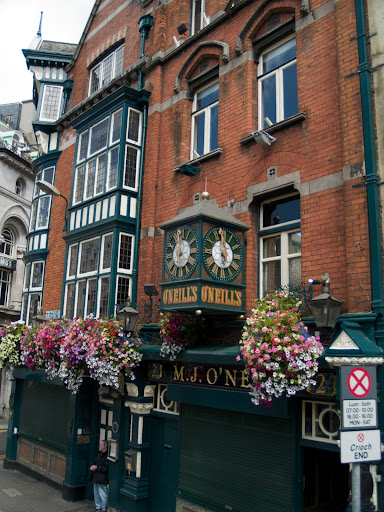
One of the pubs.

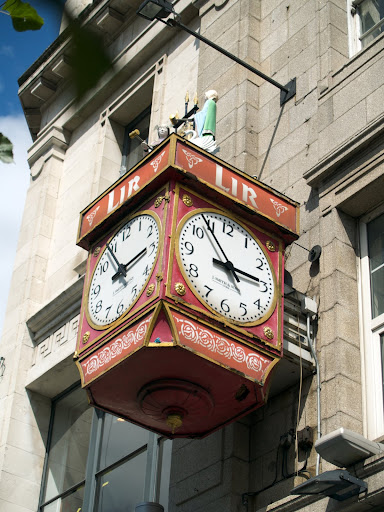
Another one
Here the craftsmen are putting a handle on a jug. The glass has already been cut so they wouldn't want to ruin it.
This is a master cutter cutting a pattern into the crystal vase. Each piece is molded by hand and cut by hand. To become a cutter the person is apprenticed for 10 years and to become a master cutter the person must have a university degree in Fine Arts. There are over one hundred and ten different patterns and the cutter must memorize each one.
These are examples of the designs made by the master craftsmen. These are the artists that design the special commisions such as the trophy above. When they are not working on a commision they are allowed to work on personal projects of their own. This is a project inspired by 9/11 and the heroes that risked their lives to save the survivors.
Of course we had to have a Guinness and supper at the pub. This one of the oldest in Waterford as you can see by the front window.
Our B&B at Rosslare a the south east tip of Ireland
An Irish cottage not far from the B&B

Jerpoint Abbey contains among the best preserved medieval sculptures in Ireland.
The cloisters. Each of the columns has a figure carved into it. The first one was the first abbot and the second one was a knight that was the benefactor of the abbey. He is in full chain mail and his crest is still visible on his shield. His wife is on the obverse of the column.
The sculptures also gave lessons to the monks as they strolled around the cloister, this is one giving the dangers of gluttony. A Pepto-Bismol moment?
An example of the sculptures on one of the tombs. Dates from the medieval period. The on in the centre is the Archangel Michel, the one on the left is Ste- Catherine and her wheel and the other I'm not sure about.
The Browns Hill Dolmen. The cap stone weighs over 100 tons. It is in the middle of a farmer's wheat field. On the main road nearby are a whole bunch of car dealers. I can just see one of them buying the land and having the dolmen in the middle of his car lot. Good thing that it is protected by the Irish Government.
Dunmore Cave is one of the largest caves in Ireland. Legend has it that the Vikings massacred 1000 people in the cave. Although this seems implausible, when the cave was finally explored by archaeologists, human remains were found in the great chamber and later on a Viking treasure was found by a guide as he was checking the cave before closing for the night. The second picture is of our guide playing an Irish lament on a penny whistle in the darkness of the Great Chamber, the echoing sound was eerie.
We finally finished up our trip in Dublin. Dublin is a beautiful city that is known for its Georgian doors. These doors all follow the same design as you can see by the picture.
Phoenix Park is the Europe's largest city park. It is 2.5 times larger than New York's Central Park. One thing that I found fascinating is that the lights are all gas lights like they had in the 19th century. I have read that the original street gas lamps were used until the 60's and 70's, then they put in electricity. They have since gone back to the original gas light except today they are automatic and don't need a lamplighter.
The park is also the home of Ireland's president. The house is known as Áras an Uachtaráin. Kind of looks like the White House doesn't it?
The river Liffey
One of the numerous bridges.
The Ha'penny bridge, so called because it cost half a penny to cross.
A statue of Molly Malone, about whom a famous song is sung.
In Dublin's fair city,
where the girls are so pretty,
I first set my eyes on sweet Molly Malone,
As she wheeled her wheel-barrow,
Through streets broad and narrow,
Crying, "Cockles and mussels, alive, alive, oh!"
Since legend has it that she was also a prostitute by night and the statue's assets are there for all to see, the Dubliners have dubbed the statue "The tart with the cart" ;o)
Grafton Street, the main shopping street of Dublin
Indoor market near the Temple Bar.
A street of the Temple Bar. This section of the city has kept its medieval street layout and is the bohemian heart of Dublin. Fishamble Street in Temple Bar was the location of the first performance of Handel's Messiah in 1742
One of the pubs.

Another one
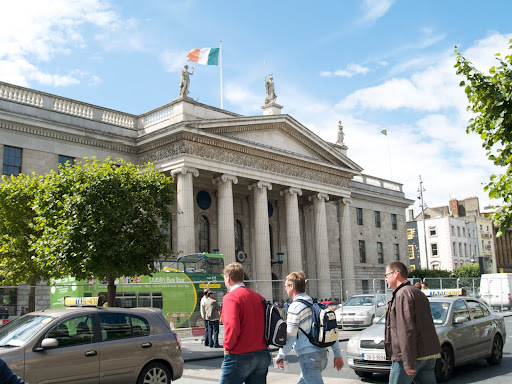
The Old Post Office where the Irish Republic was born in 1916. There are still bullet holes from when the rebellion was put down by the British Army. The leaders of the 1916 Rebellion
were taken to Kilmainham Goal where they were executed by the British.
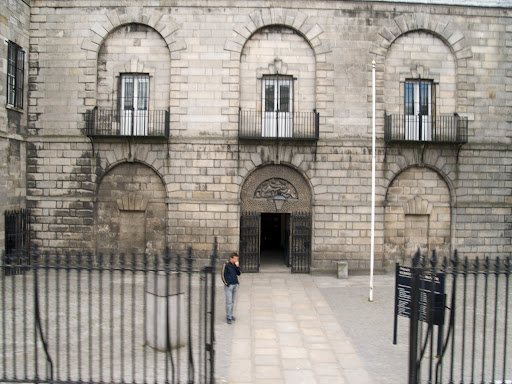
Kilmainham Gaol
were taken to Kilmainham Goal where they were executed by the British.
Kilmainham Gaol
So that concludes our trip to Ireland. I hope that it might have given you a taste for Ireland and that you'll have the chance to visit this wonderful land someday.


